
A VISIONARY LEADER SHAPING THE FUTURE OF BUSINESS & INNOVATION



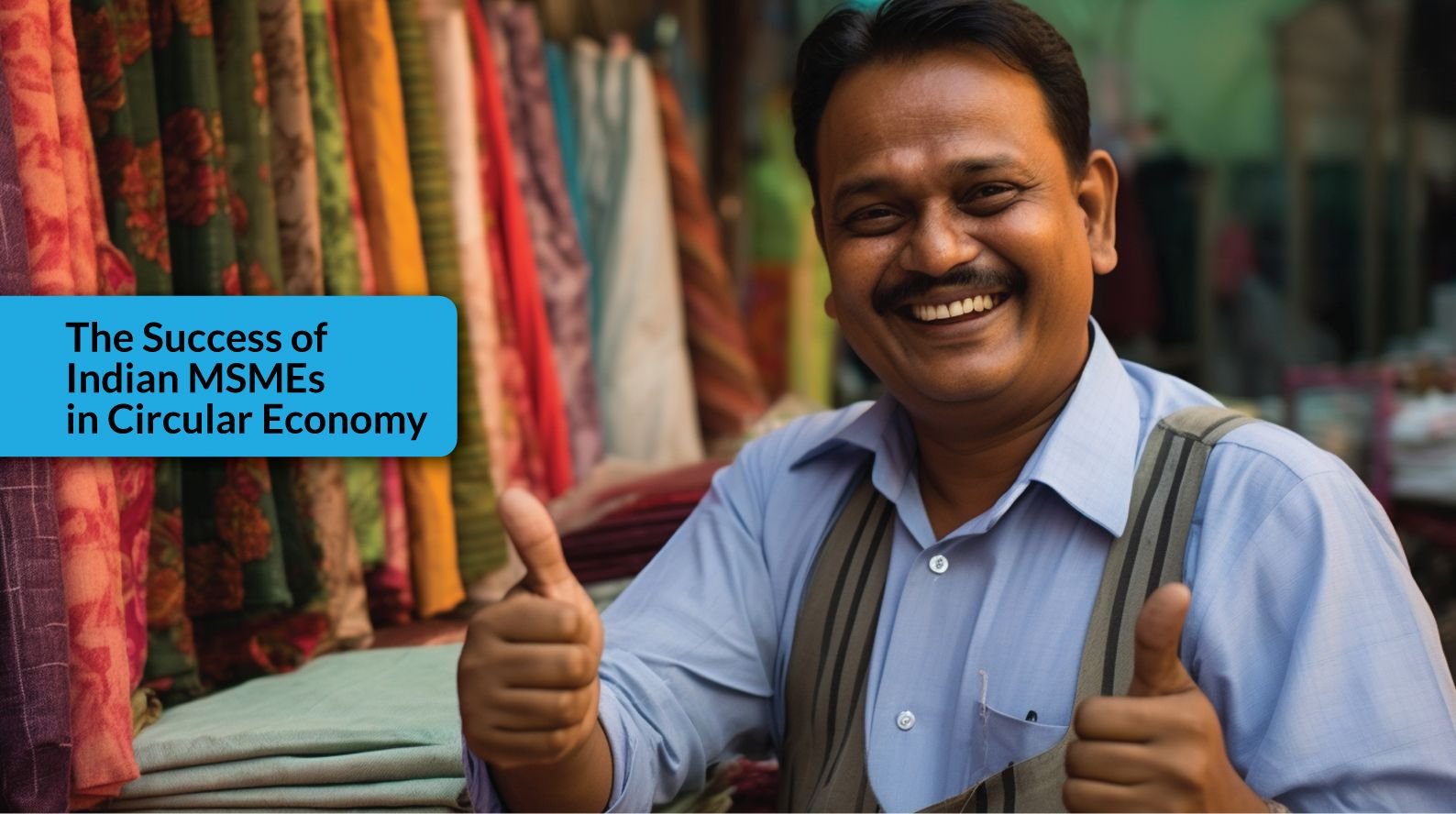
Several Indian MSMEs have successfully implemented circular economy principles, demonstrating the potential of this approach. For example:
Recyclekart: This company collects and recycles electronic waste, creating employment opportunities and reducing environmental pollution. They have recycled over 10,000 metric tons of e-waste to date.
Saahas Zero Waste: This organization promotes zero-waste practices, working with businesses and communities to reduce waste and conserve resources. They have diverted over 50,000 tons of waste from landfills.
Additional Considerations
Cultural and Social Factors: Understanding local cultural and social factors is crucial for the successful implementation of circular economy initiatives.
Skill Development: Investing in skill development programs can equip MSMEs with the knowledge and skills needed to adopt circular practices.
Infrastructure Development: Investing in infrastructure for waste collection, sorting, and recycling is essential.
Technological Advancements: Promoting the adoption of technologies for resource recovery and product reuse is crucial.
Policy Support: Develop supportive policies and regulations to incentivize circular economy practices.
Capacity Building: Provide training and support to MSMEs on circular economy principles and best practices.
Collaboration and Partnerships: Foster collaboration among stakeholders, including government, industry, academia, and NGOs.
International Collaboration: Collaborating with international partners can facilitate knowledge sharing, technology transfer, and access to global markets.
 blog
blog
There are days when every leader faces uncertainty.Plans don’t work. Markets change. People disappoint. The weight of respon...
 blog
blog
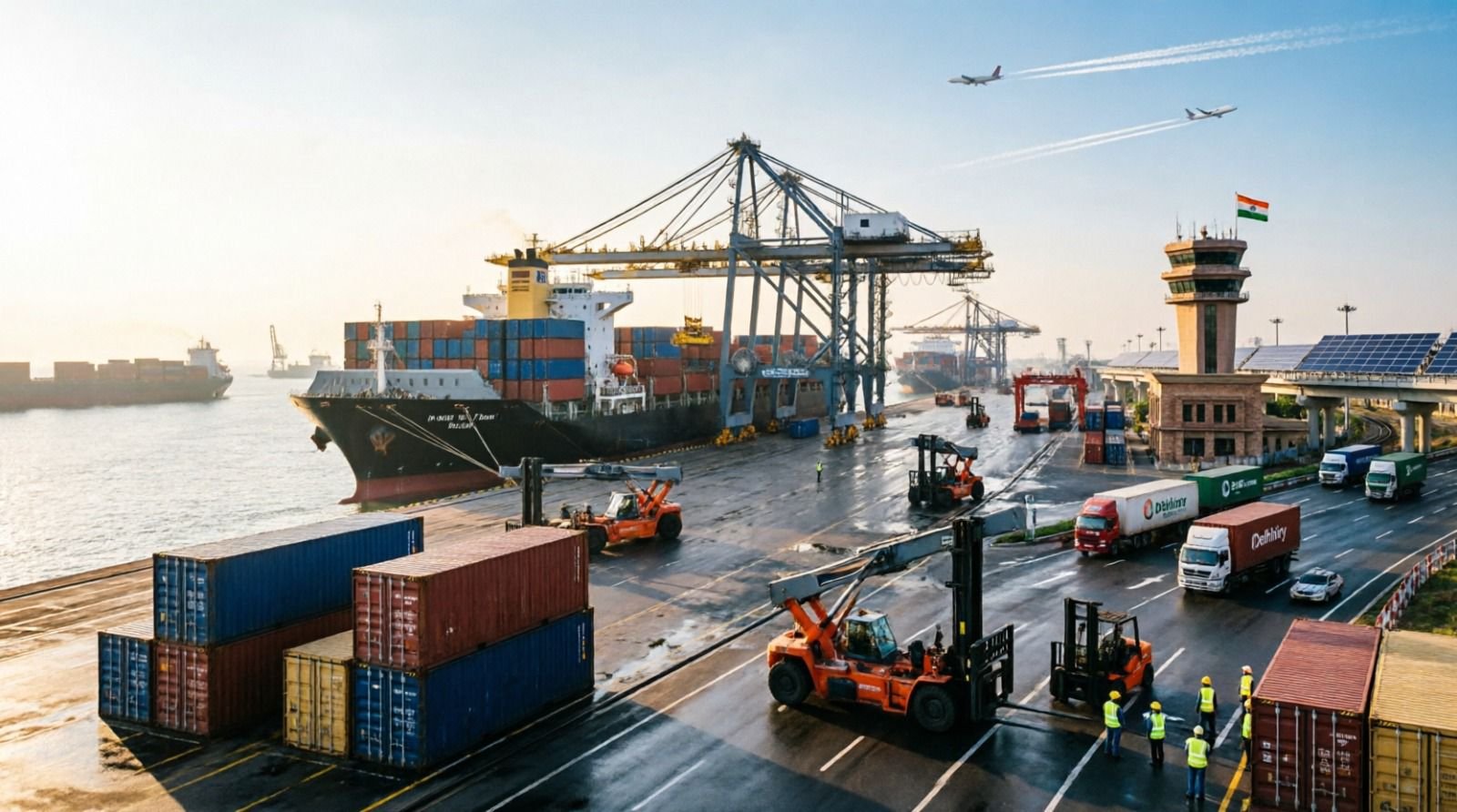
Why India's Supply Chain Transformation Could Define the Next Global Economic Era
 blog
blog
In the past, scale, cost control, and service levels were the sources of competitive advantage. Everything is changing: New...
 Back
Back
