

 Back
Back

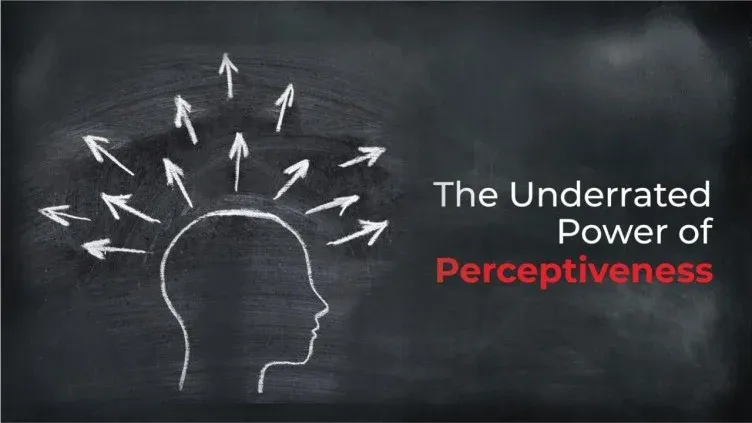
In business world, we often prioritize tangible skills like analytical abilities, technical expertise, and financial acumen. But what about the less quantifiable, yet equally crucial, trait of perceptiveness?
Perceptiveness is the ability to keenly observe and understand subtle cues in your environment. It's about reading between the lines, sensing unspoken emotions, and grasping the nuances of a situation. This skill allows you to:
● Anticipate needs: By understanding unspoken needs and motivations, you can proactively address concerns and provide solutions before problems escalate.
● Build stronger relationships: Perceptiveness fosters empathy and trust. When you demonstrate an understanding of others' perspectives, you create deeper, more meaningful connections.
● Navigate complex situations: Whether it's a tense negotiation or a delicate team dynamic, perceptiveness helps you identify underlying issues and respond with sensitivity and tact.
● Identify opportunities: By paying attention to subtle shifts in the market or your industry, you can spot emerging trends and capitalize on new opportunities.
Cultivating perceptiveness requires active listening, keen observation, and a genuine curiosity about the people around you. It means asking insightful questions, paying attention to body language, and considering different perspectives.
In a world saturated with data and information, perceptiveness acts as a filter, allowing you to discern what truly matters. It's a skill that empowers you to connect, innovate, and lead with greater impact. Don't underestimate the power of this often-overlooked trait.
It might just be your secret weapon to success.
https://www.linkedin.com/pulse/underrated-power-perceptiveness-dr-sathya-menon-nabtf/?trackingId=qm%2FT5uQ2Qq6NfgZzpQk7TQ%3D%3D